
- Published on

On both international and domestic flights one of my top tips is to have a range of activities, like books, puzzles or games for your child to engage in. When my children were very small I mixed in a few new items, like colouring books or small toys and wrapped them. Keep these in reserve. If your child is becoming fed up, the act of looking at something new, taking time to unwrap and then scrunch up the paper can be a calming respite for everyone. A favourite activity was a set of finger puppets which fit into a small pocket of a carry on bag and could be part of an action song or characters in a story. In moments of desperation airline sick bags make great hand puppets. If you have marker pens or crayons or even a ball-point pen you can decorate them and create characters. Card games are another great easy to pack and carry entertainment for children. Naughts and crosses and connect the dots can be set up in a moment on a spare piece of paper. Eye spy and animal, mineral, vegetable don’t require any resources other than some attention, perfect for standing in line waiting for customs.
These days most international carriers have ‘magical’ video screens with entertainment designed for young ones. Parents and children often travel with devices which can be pre-loaded with apps and content which can keep children occupied for long periods of time. It’s thinking about those moments when the digital devices aren’t available and you might need a way to keep your child entertained that will help to make the experience enjoyable for everyone.
On overnight flights it can be helpful to change babies and young children into their night attire. This helps to signal to them that the venue might be different but the routines are going to be the same. Keeping to an eating routine can be a little more tricky as airlines tend to offer meals at the beginning and ends of flights which do not always coincide with when you might expect to be eating under normal circumstances. Encourage your child to eat something if they are hungry if nothing else opening all the cute packets and sampling new things can be a good diversion while the adults are eating. Drinking is very important and fluids should be available to everyone throughout the flight. Little and often is a good guideline for children. They may not be thirsty but encourage them to take a few sips often throughout the flight.
Transit and connecting flights can often be very stressful for adults who are trying to figure out where the next gate is and what formalities need to be completed. It is very easy to become distracted. In these situations when my children were young I did on occasion use a leash with my youngest son who was a runner. I had a huge fear that when we were moving through Los Angeles Airport he would run away from me. For an interesting and somewhat light hearted look at this issue check out this video of my colleague and friend Michele Blick, registered educational psychologist and chairperson of the Institute of Educational and Developmental Psychology being interviewed on 7 Sharp on the topic of using a leash with young children. Another strategy I used was to dress my two boys in similar outfits with bright colours so it was easy for me to keep an eye on them. Letting children know in advance that there might be some times when they need to let mum and dad figure out what comes next and then giving the children praise if they manage to stick with you despite not giving them a lot of attention is the best way to manage the situation.
With a little forward planning, setting the right expectations and looking for the positives your next flight, short or long, international or domestic will be a fun experience for everyone.
These days most international carriers have ‘magical’ video screens with entertainment designed for young ones. Parents and children often travel with devices which can be pre-loaded with apps and content which can keep children occupied for long periods of time. It’s thinking about those moments when the digital devices aren’t available and you might need a way to keep your child entertained that will help to make the experience enjoyable for everyone.
On overnight flights it can be helpful to change babies and young children into their night attire. This helps to signal to them that the venue might be different but the routines are going to be the same. Keeping to an eating routine can be a little more tricky as airlines tend to offer meals at the beginning and ends of flights which do not always coincide with when you might expect to be eating under normal circumstances. Encourage your child to eat something if they are hungry if nothing else opening all the cute packets and sampling new things can be a good diversion while the adults are eating. Drinking is very important and fluids should be available to everyone throughout the flight. Little and often is a good guideline for children. They may not be thirsty but encourage them to take a few sips often throughout the flight.
Transit and connecting flights can often be very stressful for adults who are trying to figure out where the next gate is and what formalities need to be completed. It is very easy to become distracted. In these situations when my children were young I did on occasion use a leash with my youngest son who was a runner. I had a huge fear that when we were moving through Los Angeles Airport he would run away from me. For an interesting and somewhat light hearted look at this issue check out this video of my colleague and friend Michele Blick, registered educational psychologist and chairperson of the Institute of Educational and Developmental Psychology being interviewed on 7 Sharp on the topic of using a leash with young children. Another strategy I used was to dress my two boys in similar outfits with bright colours so it was easy for me to keep an eye on them. Letting children know in advance that there might be some times when they need to let mum and dad figure out what comes next and then giving the children praise if they manage to stick with you despite not giving them a lot of attention is the best way to manage the situation.
With a little forward planning, setting the right expectations and looking for the positives your next flight, short or long, international or domestic will be a fun experience for everyone.
- Published on

At the start of the last school holidays I blogged about how to have a successful school holiday break. I mentioned that flying with children deserved its own blog post and here it is now. If you are flying internationally or domestically with your children this school holiday I have some ideas to make things go smoothly. With the school holidays less than two weeks away I suspect anyone planning on getting away is thinking about getting ready. This will be a two part blog. Today part one and next week part two.
In this area I have a bit of personal experience to back-up my psychological knowledge. For 10 years I lived in the Midwest of the United States. In other words a long, long way from New Zealand. Along with my husband and two children we made a lot of international and domestic flights to visit family and friends in New Zealand and within the USA. My husband’s brother lived at different times in Singapore and France and we were lucky enough to visit him too. I’ve experienced delays, rerouted flights involving overnight stops in unexpected places, a baby with ear problems, grumpy and fabulous flight attendants, and I still think flying with children is at worst bearable and at best great fun and entertainment.
To begin with it’s important to be realistic about what the experience of flying with children might be like. In the good old days you might have jumped aboard a plane, magazine or book in hand, enjoyed a quiet cup of tea or coffee/wine and then watched a few movies you had missed out on. Flying with children, more likely, means you board the plane with a bag full of baby/children’s gear, grab as much water as you can and watch bits and pieces of movies in between interruptions from children. Having said that I have some great memories of flying with my children. In our busy worlds having one to one time with our children without other distractions can feel like a real treat.
The key is preparation. As you plan your trip, involve your children as much as possible. This can be as simple as talking about the plans. Depending on the age of your children getting them involved in making some choices and researching activities is a great idea. Talk to your children in advance about what might be expected of them as they travel. Some things just can’t be avoided such as security checks, waits to board planes and customs and immigration procedures. Children cope best if they know in advance what might happen and are given the opportunity to ask questions.
If you are travelling domestically, having small snacks available with you is a great idea. A container of carrot or celery sticks, sliced fruit or easy peel mandarins make snacks that travel well and are easy to eat. Babies and small children who experience ear pain on take off and landing may find that sucking on a bottle or sippy cup can relieve the pain. You may want to board the plane equipped with these in your carry on bag. If you are travelling internationally you may not bring liquids through security screening but you can purchase them once you are through security and flight attendants can provide water on board.
If you are travelling internationally check out what food will be acceptable to bring into the destination country. Generally processed and packaged foods are OK and this might be the time to pop a few muesli bars and packets of crackers into your carry on for emergency snacks. Airlines will often provide particular meals for young children and babies if requested. It’s good to have some kind of back up though just in case the airline doesn’t load your requested food or your child doesn’t like the food offered.
More on this topic next week.
In this area I have a bit of personal experience to back-up my psychological knowledge. For 10 years I lived in the Midwest of the United States. In other words a long, long way from New Zealand. Along with my husband and two children we made a lot of international and domestic flights to visit family and friends in New Zealand and within the USA. My husband’s brother lived at different times in Singapore and France and we were lucky enough to visit him too. I’ve experienced delays, rerouted flights involving overnight stops in unexpected places, a baby with ear problems, grumpy and fabulous flight attendants, and I still think flying with children is at worst bearable and at best great fun and entertainment.
To begin with it’s important to be realistic about what the experience of flying with children might be like. In the good old days you might have jumped aboard a plane, magazine or book in hand, enjoyed a quiet cup of tea or coffee/wine and then watched a few movies you had missed out on. Flying with children, more likely, means you board the plane with a bag full of baby/children’s gear, grab as much water as you can and watch bits and pieces of movies in between interruptions from children. Having said that I have some great memories of flying with my children. In our busy worlds having one to one time with our children without other distractions can feel like a real treat.
The key is preparation. As you plan your trip, involve your children as much as possible. This can be as simple as talking about the plans. Depending on the age of your children getting them involved in making some choices and researching activities is a great idea. Talk to your children in advance about what might be expected of them as they travel. Some things just can’t be avoided such as security checks, waits to board planes and customs and immigration procedures. Children cope best if they know in advance what might happen and are given the opportunity to ask questions.
If you are travelling domestically, having small snacks available with you is a great idea. A container of carrot or celery sticks, sliced fruit or easy peel mandarins make snacks that travel well and are easy to eat. Babies and small children who experience ear pain on take off and landing may find that sucking on a bottle or sippy cup can relieve the pain. You may want to board the plane equipped with these in your carry on bag. If you are travelling internationally you may not bring liquids through security screening but you can purchase them once you are through security and flight attendants can provide water on board.
If you are travelling internationally check out what food will be acceptable to bring into the destination country. Generally processed and packaged foods are OK and this might be the time to pop a few muesli bars and packets of crackers into your carry on for emergency snacks. Airlines will often provide particular meals for young children and babies if requested. It’s good to have some kind of back up though just in case the airline doesn’t load your requested food or your child doesn’t like the food offered.
More on this topic next week.
- Published on
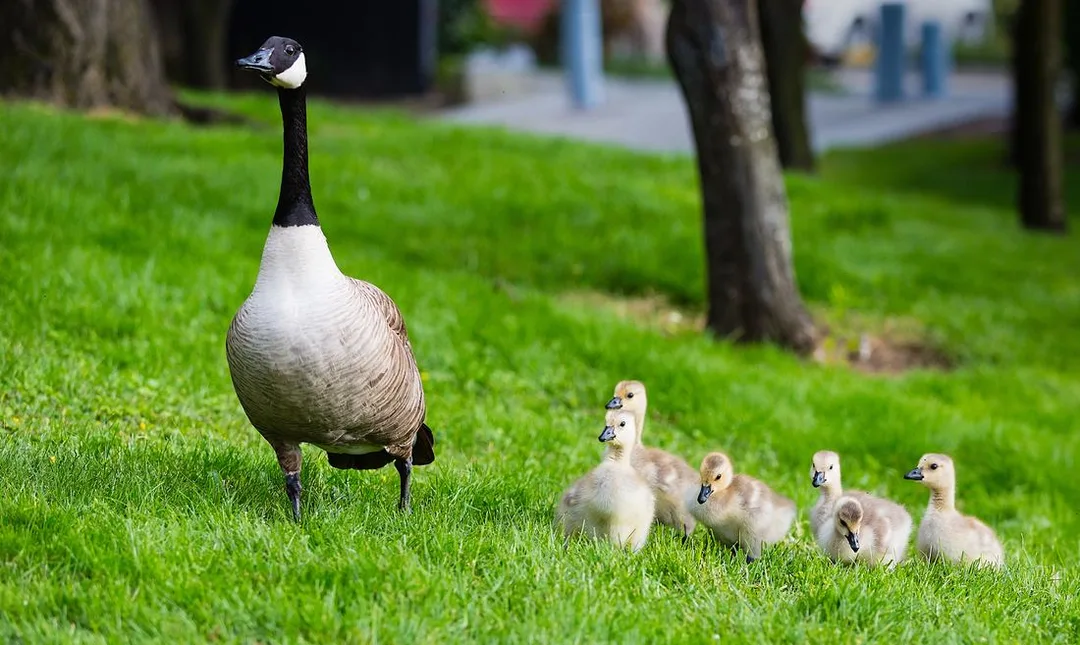
Psychology has a lovely, neat answer to that question. A powerful tool we can use to get our children to behave is to point out what they are doing right and to keep on pointing this out to them. Reinforcement is the technical name used by psychologists to describe a very effective method of increasing behaviour. There is even a magic ratio associated with this idea of reinforcement, 5:1. This ratio applies to all human behaviour not just children’s behaviour. It is necessary to deliver five reinforcing statement to one corrective. This means that if you tell someone to do something you will need to follow that up with five other reinforcing statements that increase their behaviour. In fact, this ratio has implications for research into successful marriages. In a 2003 paper, Is there a formula for marriage?, John Gottman and James Murray write about the 5:1 ratio being a way to identify a successful marriage. Looking for a way to get your spouse to do the dishes/put the rubbish out? The science tells us that reinforcing desired behaviour using a ratio of 1 telling them what to do followed by 5 incidents of reinforcement will get them onto it.
This idea of reinforcement is famous enough to have made it onto T.V. on The Big Bang Theory https://www.youtube.com/watch?v=JA96Fba-WHk. Check out this link to a clip of Sheldon, ‘training’ Penny to perform particular behaviours. As funny as this is, it is a little unrealistic, this is T.V. after all. There are a few technical inaccuracies in the video. Let me know if you can spot them. When you are working with human behaviour it’s not a great idea to reinforce behaviour with food, especially with as much frequency as needed to get to the 5:1 ratio. Leonard’s outrage at Sheldon’s behaviour is pretty much how most of us would react to this kind of manipulation of someone’s behaviour.
If you would like someone to do more of a particular behaviour, step one is to make sure they know how to do that behaviour. If you aren’t sure, then step two is to show them how to do it. Then give them some opportunities to practice with a more skilled person who can guide them through the behaviour. All through this process make sure you are using reinforcement at each step. To reinforce well you must be specific about what someone is doing well.
An example of a narrative in a setting where a parent might be teaching their child to cut an apple might go like this. “Great work holding the knife in a safe grip - you are doing it just like I showed you”. “OK, now put the sharp point into the top of the apple, making sure you keep your fingers away from the blade”. “That’s excellent”. “You’ve put the knife exactly where I showed you”. Each statement has a component of describing the exact action taken and an element of praise linked with that. Add on comments to increase the reinforcement could be, “you did such great work cutting your own apple, I’m going to have to tell mum/grandad about how well you are managing”. Remember the goal is that 5:1 ratio. With your own child reinforcement can also be a hug, high five, arm around the shoulder or other non verbal methods of demonstrating your approval. Even pointing to their action, smiling and giving a thumbs up will work once you are sure they know what it is you are pointing to.
Being a child means that there is a lot of stuff you don’t know. Most of the time as adults instruct children they mix in reinforcement. Children are then happy to accept the instructions and learn a new skill and complete set tasks. However, when something goes wrong and you start to wonder how you are going to get your child to do any one of the myriad things we ask of them in a day or week think about how you could add a little reinforcement into the mix and see if you can make a difference with just this one small change (in your behaviour).
This idea of reinforcement is famous enough to have made it onto T.V. on The Big Bang Theory https://www.youtube.com/watch?v=JA96Fba-WHk. Check out this link to a clip of Sheldon, ‘training’ Penny to perform particular behaviours. As funny as this is, it is a little unrealistic, this is T.V. after all. There are a few technical inaccuracies in the video. Let me know if you can spot them. When you are working with human behaviour it’s not a great idea to reinforce behaviour with food, especially with as much frequency as needed to get to the 5:1 ratio. Leonard’s outrage at Sheldon’s behaviour is pretty much how most of us would react to this kind of manipulation of someone’s behaviour.
If you would like someone to do more of a particular behaviour, step one is to make sure they know how to do that behaviour. If you aren’t sure, then step two is to show them how to do it. Then give them some opportunities to practice with a more skilled person who can guide them through the behaviour. All through this process make sure you are using reinforcement at each step. To reinforce well you must be specific about what someone is doing well.
An example of a narrative in a setting where a parent might be teaching their child to cut an apple might go like this. “Great work holding the knife in a safe grip - you are doing it just like I showed you”. “OK, now put the sharp point into the top of the apple, making sure you keep your fingers away from the blade”. “That’s excellent”. “You’ve put the knife exactly where I showed you”. Each statement has a component of describing the exact action taken and an element of praise linked with that. Add on comments to increase the reinforcement could be, “you did such great work cutting your own apple, I’m going to have to tell mum/grandad about how well you are managing”. Remember the goal is that 5:1 ratio. With your own child reinforcement can also be a hug, high five, arm around the shoulder or other non verbal methods of demonstrating your approval. Even pointing to their action, smiling and giving a thumbs up will work once you are sure they know what it is you are pointing to.
Being a child means that there is a lot of stuff you don’t know. Most of the time as adults instruct children they mix in reinforcement. Children are then happy to accept the instructions and learn a new skill and complete set tasks. However, when something goes wrong and you start to wonder how you are going to get your child to do any one of the myriad things we ask of them in a day or week think about how you could add a little reinforcement into the mix and see if you can make a difference with just this one small change (in your behaviour).
- Published on

Our current understandings about why people behave the way they do come from a rich history of behavioural science. The thinking traces back to scientists such as Pavlov with his famous salivating dogs and the development of classical conditioning, through B.F. Skinner and operant conditioning, to Bandura and Thorndike who considered the impact of society and learning on an individual's behaviour. Most modern psychologists who describe themselves as behaviourists would agree that there are only two functions of behaviour. This is great for those of us in the thick of parenting because we only have to remember two things! Human beings behave because they either want something or they want to get away from something. Really, it’s that simple.
Until recently I was involved with training educators in a framework called Positive Behaviour for Learning. So I know what you may be doing as you read the above sentence. I know that in my audiences of teachers across the Auckland region most people looked a bit sideways at me when I made that pronouncement. Let’s work through the idea. To begin I have to clarify that I’m not talking about the inner emotional workings of the brain, I’m talking about what we can see and describe taking place in the physical domain.
When I start to work with a child who is struggling to behave in what is considered socially accepted manner the first question I ask myself is, why? Are they trying to get something or get away from something. They may be trying to get away from or get , attention, this could be peer or adult attention. They may be trying to get away from or get tangibles like a computer, or toy. They may be trying to get away from or get sensory stimulation, like a quality of light which is either very attractive or very upsetting, or a texture of clothing, or sounds.
Quite often people who refer children to me will tell me in the first few sentences of a conversation the why. I often hear xxx is attention seeking. That’s so helpful because immediately I know that I need to consider that xxx is in fact behaving in a way that those around them find difficult in order to get attention. A commonly raised example from the classroom is the child who calls out constantly and inappropriately during class. In this case a teacher might tell me that this individual is attention seeking. Whilst this is helpful I generally want to dig a bit further. I might assess the child to understand better what his/her learning level was at and talk to the class teacher to find out what level she/he is pitching the learning. Sometimes I find that the child in fact doesn’t understand the lesson and had found that by calling out inappropriately they distract the teacher and peers from the fact that they can’t do the work and they avoid doing the tasks. In the end the reason for the behaviour is to avoid the tasks. The solution is to provide work at the right level and perhaps to provide some extra opportunities for the student to learn.
A similar scenario can occur at home. Parents may tell me their child may be avoiding tidying their room and despite parental reminders to get this job done the child still doesn’t tidy the room. The best way forward is to think about the why of this behaviour. Is the child trying to get attention? Have they learned that when they avoid tasks they get a lot more of mum and dad’s attention? In this case the function of the behaviour is to get adult attention. Or, do they not know how to tidy their room, or are they very tired or pressed for time so they are avoiding the task. Thinking through behaviours that you as a parent are finding challenging in this way is a great way to find solutions that work.
Something that must be taken into account when thinking about behaviour is that the function of the behaviour must be met. The solution will never involve depriving the person of the function of their behaviour. If we go back to the school example, let’s agree that the function of the student’s behaviour was to avoid the task because he/she didn’t know how to do the work. If the adults in the situation attempt to stop the child meeting the function of their behaviour in the first instance it is likely that the challenging behaviour will get worse. If the teacher ignores the child’s calling out and continues to expect that they get this same piece of work done the child may then resort to something more dramatic like swearing at the teacher or hitting one of their peers or throwing a book. This kind of behaviour will most likely see them removed from the lesson (if not the school) and in the end the function of the behaviour will be met. A better approach is to allow the child to avoid at least the initial piece of work that has caused the difficulty. A different piece of work or part of the original work can be given until the child has had time to learn a new set of skills and can tackle the original work.
At home in the room tidying example if a parent continues to force the child to tidy their room and the function is to gain parent attention it is likely the child will continue to play the situation out until the parent becomes annoyed and perhaps a confrontation will follow. If this becomes an established pattern, children learn that the best way to get their parent’s attention is to be non compliant with their requests. If the child is avoiding because they don’t know how to tidy or they are too tired, persistence with telling and reminding can lead to children escalating their behaviour in order to avoid completing the task. In the home situation it is better, in the first instance, to help your child learn how to tidy their room. Some children may need photos of a tidy room so they know what they are working towards. If your child is seeking attention they will be getting this as you spend time with them teaching them how to complete the task. As they become more competent at this they can receive attention from parents for their good work and also find more time to spend with parents on fun activities. If they don’t know how to complete the task they can receive instruction. If they are too tired once you talk and figure out a good time to complete the task hopefully the task will be completed with minimal fuss.
On a personal note my sons hated tidying their rooms so we agreed on one time during the week, for us a Sunday night just before bed time, that they would tidy their rooms. Looking back the function of their behaviour was likely avoidance. They both had busy school schedules and by the time the end of the day came they were too tired to be bothered tidying their rooms. Their father and I would give a hand as needed but once they were done they would let me know and they would line up for inspection. We made this into a game and I (silly I know) would pretend that I was an inspector and they had to stand at attention for inspection while I checked under beds and in silly places to make sure everything was just so! Kisses and hugs and extra bedtime stories were the rewards for tidy bedrooms.
If you are wondering about your child’s behaviour start by thinking about the why. Ask yourself, are they trying to get, attention (peer or adult), a tangible or a sensory experience or are they trying to get away from attention (peer or adult), a tangible or a sensory experience?
Let me know how you go.
Until recently I was involved with training educators in a framework called Positive Behaviour for Learning. So I know what you may be doing as you read the above sentence. I know that in my audiences of teachers across the Auckland region most people looked a bit sideways at me when I made that pronouncement. Let’s work through the idea. To begin I have to clarify that I’m not talking about the inner emotional workings of the brain, I’m talking about what we can see and describe taking place in the physical domain.
When I start to work with a child who is struggling to behave in what is considered socially accepted manner the first question I ask myself is, why? Are they trying to get something or get away from something. They may be trying to get away from or get , attention, this could be peer or adult attention. They may be trying to get away from or get tangibles like a computer, or toy. They may be trying to get away from or get sensory stimulation, like a quality of light which is either very attractive or very upsetting, or a texture of clothing, or sounds.
Quite often people who refer children to me will tell me in the first few sentences of a conversation the why. I often hear xxx is attention seeking. That’s so helpful because immediately I know that I need to consider that xxx is in fact behaving in a way that those around them find difficult in order to get attention. A commonly raised example from the classroom is the child who calls out constantly and inappropriately during class. In this case a teacher might tell me that this individual is attention seeking. Whilst this is helpful I generally want to dig a bit further. I might assess the child to understand better what his/her learning level was at and talk to the class teacher to find out what level she/he is pitching the learning. Sometimes I find that the child in fact doesn’t understand the lesson and had found that by calling out inappropriately they distract the teacher and peers from the fact that they can’t do the work and they avoid doing the tasks. In the end the reason for the behaviour is to avoid the tasks. The solution is to provide work at the right level and perhaps to provide some extra opportunities for the student to learn.
A similar scenario can occur at home. Parents may tell me their child may be avoiding tidying their room and despite parental reminders to get this job done the child still doesn’t tidy the room. The best way forward is to think about the why of this behaviour. Is the child trying to get attention? Have they learned that when they avoid tasks they get a lot more of mum and dad’s attention? In this case the function of the behaviour is to get adult attention. Or, do they not know how to tidy their room, or are they very tired or pressed for time so they are avoiding the task. Thinking through behaviours that you as a parent are finding challenging in this way is a great way to find solutions that work.
Something that must be taken into account when thinking about behaviour is that the function of the behaviour must be met. The solution will never involve depriving the person of the function of their behaviour. If we go back to the school example, let’s agree that the function of the student’s behaviour was to avoid the task because he/she didn’t know how to do the work. If the adults in the situation attempt to stop the child meeting the function of their behaviour in the first instance it is likely that the challenging behaviour will get worse. If the teacher ignores the child’s calling out and continues to expect that they get this same piece of work done the child may then resort to something more dramatic like swearing at the teacher or hitting one of their peers or throwing a book. This kind of behaviour will most likely see them removed from the lesson (if not the school) and in the end the function of the behaviour will be met. A better approach is to allow the child to avoid at least the initial piece of work that has caused the difficulty. A different piece of work or part of the original work can be given until the child has had time to learn a new set of skills and can tackle the original work.
At home in the room tidying example if a parent continues to force the child to tidy their room and the function is to gain parent attention it is likely the child will continue to play the situation out until the parent becomes annoyed and perhaps a confrontation will follow. If this becomes an established pattern, children learn that the best way to get their parent’s attention is to be non compliant with their requests. If the child is avoiding because they don’t know how to tidy or they are too tired, persistence with telling and reminding can lead to children escalating their behaviour in order to avoid completing the task. In the home situation it is better, in the first instance, to help your child learn how to tidy their room. Some children may need photos of a tidy room so they know what they are working towards. If your child is seeking attention they will be getting this as you spend time with them teaching them how to complete the task. As they become more competent at this they can receive attention from parents for their good work and also find more time to spend with parents on fun activities. If they don’t know how to complete the task they can receive instruction. If they are too tired once you talk and figure out a good time to complete the task hopefully the task will be completed with minimal fuss.
On a personal note my sons hated tidying their rooms so we agreed on one time during the week, for us a Sunday night just before bed time, that they would tidy their rooms. Looking back the function of their behaviour was likely avoidance. They both had busy school schedules and by the time the end of the day came they were too tired to be bothered tidying their rooms. Their father and I would give a hand as needed but once they were done they would let me know and they would line up for inspection. We made this into a game and I (silly I know) would pretend that I was an inspector and they had to stand at attention for inspection while I checked under beds and in silly places to make sure everything was just so! Kisses and hugs and extra bedtime stories were the rewards for tidy bedrooms.
If you are wondering about your child’s behaviour start by thinking about the why. Ask yourself, are they trying to get, attention (peer or adult), a tangible or a sensory experience or are they trying to get away from attention (peer or adult), a tangible or a sensory experience?
Let me know how you go.
- Published on
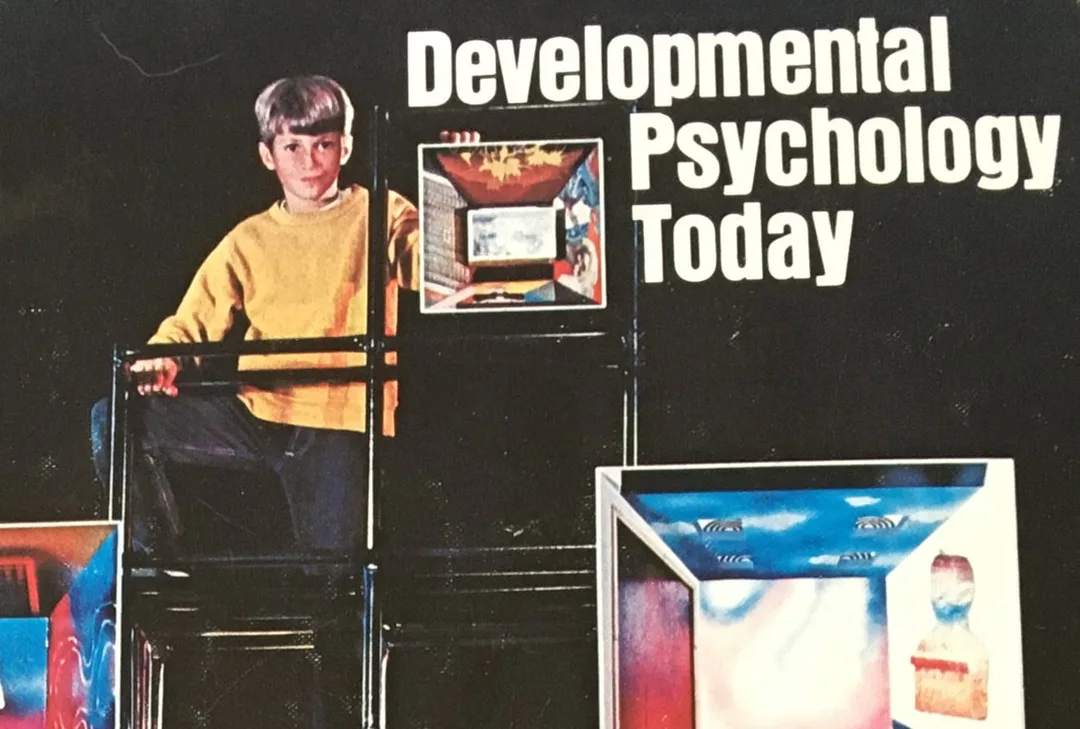
Recently, my father gave me an old textbook he had used in the ‘70s when he was studying as an extramural student at Massey University. The textbook was on developmental psychology. I’ve been browsing through this text book with much interest and sometimes amusement. One section jumped out at me in particular. In the ‘70s academics were already concerned about the over abundance of high calorie food easily available in the western world and the possible consequence of obesity becoming a more widespread problem. The authors proposed that perhaps parents were overfeeding their children due to the mistaken belief that more food would create taller and more robust adults. The wider discussion in this section was about some new insights into the importance of nutrition to healthy development in children and young adults.
When we fast forward to 2018, it seems that the concerns of the 1970s academics were certainly justified. Childhood obesity rates in New Zealand and internationally are soaring. I suspect, however that many educated western parents are well aware that children require not just quantities of any food but the right quantities of high quality and diverse foods in order to grow to their full physical potential and develop into healthy adults. Whilst knowledge is a powerful tool, in this case it is clearly not enough. Parents often mention to me difficulties around feeding their children. The whole issue of eating can become emotionally challenging and guilt inducing for parents.
When my children were very little we saw a wonderful paediatrician, Bess Gold, who had this advice for me.
Wal’s book is suitable for parents who are just starting the journey of feeding their children and those who are in the middle of this journey and would like to understand how to improve their children’s eating habits. It is also suitable for parents who are struggling to feed a child who has developed some difficulties in this area. Wal’s style is very matter of fact and down to earth. She removes some of the fear of getting it wrong by sharing her own mistakes, acknowledging that none of us are perfect parents. She also emphasises that in our modern world information about the nutritional value of foods and what quantities we should eat is widespread. Governments have nutritional pyramids, dividing plates up to show proportions of foods and companies such as Weight Watchers and Jenny Craig have other ways of calculating and measuring intakes of particular kinds of food. Wal proposes a simpler measure, she divides foods into, real food/alive food which should be eaten first. Real/alive foods are fresh fruits and vegetables, nuts and seeds, and unprocessed meats. Now and again foods, these are lightly processed foods such as yoghurt, pasta and breads. These foods can be eaten daily and should be eaten after real foods. Finally, processed foods, these are foods that are heavily processed and should only be eaten occasionally and only after the other two categories of food. I thought that these three categories were simple enough for even a young child to understand and they take the emotional load out of discussions about types of food. Instead of terming a certain kind of food ‘bad’ we can discuss where it fits in the three categories and why it might be that it should be only an occasional part of our diets. Wal’s book also asks parents to reflect on their own beliefs and behaviours around food. She points out that children will look to their parents as role models around food and that an awareness and honesty about our own behaviour is a good place to start when looking at how to support our children to develop a healthy relationship with food and eating.
In the end eating together and enjoying each other’s company whilst eating nutritious and delicious food is one of the joys of being a family. Bon Appetit and happy eating.
When we fast forward to 2018, it seems that the concerns of the 1970s academics were certainly justified. Childhood obesity rates in New Zealand and internationally are soaring. I suspect, however that many educated western parents are well aware that children require not just quantities of any food but the right quantities of high quality and diverse foods in order to grow to their full physical potential and develop into healthy adults. Whilst knowledge is a powerful tool, in this case it is clearly not enough. Parents often mention to me difficulties around feeding their children. The whole issue of eating can become emotionally challenging and guilt inducing for parents.
When my children were very little we saw a wonderful paediatrician, Bess Gold, who had this advice for me.
- Never make a big deal about food. Keep your attitude light and upbeat.
- Eat as many meals as you can together as a family at the table.
- Ensure the focus is on the social enjoyment of sitting together and chatting rather than on what everyone is eating.
- Give children at least a small quantity (one teaspoon) of everything that is being served at that meal. If they enjoy a particular food then they can have a bigger serving. Encourage them to taste everything but then refer back to number 1. Don’t make a big deal about it.
Wal’s book is suitable for parents who are just starting the journey of feeding their children and those who are in the middle of this journey and would like to understand how to improve their children’s eating habits. It is also suitable for parents who are struggling to feed a child who has developed some difficulties in this area. Wal’s style is very matter of fact and down to earth. She removes some of the fear of getting it wrong by sharing her own mistakes, acknowledging that none of us are perfect parents. She also emphasises that in our modern world information about the nutritional value of foods and what quantities we should eat is widespread. Governments have nutritional pyramids, dividing plates up to show proportions of foods and companies such as Weight Watchers and Jenny Craig have other ways of calculating and measuring intakes of particular kinds of food. Wal proposes a simpler measure, she divides foods into, real food/alive food which should be eaten first. Real/alive foods are fresh fruits and vegetables, nuts and seeds, and unprocessed meats. Now and again foods, these are lightly processed foods such as yoghurt, pasta and breads. These foods can be eaten daily and should be eaten after real foods. Finally, processed foods, these are foods that are heavily processed and should only be eaten occasionally and only after the other two categories of food. I thought that these three categories were simple enough for even a young child to understand and they take the emotional load out of discussions about types of food. Instead of terming a certain kind of food ‘bad’ we can discuss where it fits in the three categories and why it might be that it should be only an occasional part of our diets. Wal’s book also asks parents to reflect on their own beliefs and behaviours around food. She points out that children will look to their parents as role models around food and that an awareness and honesty about our own behaviour is a good place to start when looking at how to support our children to develop a healthy relationship with food and eating.
In the end eating together and enjoying each other’s company whilst eating nutritious and delicious food is one of the joys of being a family. Bon Appetit and happy eating.
- Published on

Psychologists can provide insights about how to teach children to manage their behaviour in ways that are socially acceptable. It’s a bit of a minefield to blog about this topic as there are so many questions that arise from even simple statements. As I wrote socially acceptable I suddenly thought, hmm, socially acceptable, to whom?
OK, so let’s define what I mean by socially acceptable. I mean socially acceptable for whatever environment we are in. The photo in this blog of a pinata is a perfect example of this. There are few times when it's socially OK to hit an object with a stick until it breaks. At a party with a pinata it's just fine. If the environment is home, relaxing and watching TV, socially acceptable could mean lying on the couch or on the floor, eating popcorn using hands from a shared bowl, not talking much to anyone else aside from possible one or two word utterances or laughter. If the environment is a special occasion visit to a fancy restaurant, to celebrate mum and dad’s wedding anniversary, very few of the previous behaviours would be considered socially acceptable. What is likely to be socially acceptable is sitting upright on a chair at a table, making eye contact with other people at the table, using a fork and knife and eating only from your own plate, unless explicitly invited to share, responding to questions in sentences and initiating some conversation with the other people at the table.
So, who defines what is socially acceptable? The answer to that is the society in which we live. Our family background, culture, the country we were raised in, and or live in all contribute to this sense of what is socially acceptable. If we look into the distant past of human history there hasn’t been much that has never been considered socially acceptable at one time or another, up to and including eating other people! If your child is doing something that has been termed socially unacceptable you can quietly think to yourself that it’s likely that at some time in the past, in a different environment or in some other culture this behaviour has been completely socially acceptable and it’s really just a socially defined construct!
While (hopefully) this thinking might make us feel a bit better about what our child has just done, it doesn’t take us any way toward changing the behaviour in order to make things go better for our child. It does help us to understand where things might start to go wrong for a child. Children are still learning about what is and isn’t socially acceptable. It’s a huge learning task for a child as the ground rules keep changing depending on the environment. In addition to this, children are also growing and developing physically so that they are also learning what is socially acceptable for someone of their age. What is OK for a child of two is at times not OK for a child of five.
The question remains, what do we do when our child behaves in a way that is considered socially unacceptable. Prevention is always better than cure. One way to support children and young people is to explain to them in advance what might be expected in a social situation. It’s always good to do this in a casual way so that you minimise any pressure. Driving in the car is a great place to have these conversations. Another is while you are doing something together, or just in the same place together. My kids used to congregate in the kitchen while I was cooking or sorting stuff out from the work and school day. Just casually drop into the conversation that some new situation is coming up. Ensure that you talk about the new experience in positive terms and describe what might happen.
It’s good to talk about variations in the general rule. These are the moments where things can go wrong for a child who is learning about a new situation. Consider teaching a child about a formal dining experience. You may tell your children they will need to stay sitting at the table until everyone is finished eating. You might want to also explain that there will be a few reasons that you might need to get up. Going to the toilet is one. Explain to your children how they might politely excuse themselves from the table. Give your children a chance to come up with their own ideas about how they might manage the situation. At times it can be fun and useful to take time to practice the new skills. Perhaps the children are meeting some new adults at a parent’s workplace, and you think it’s likely someone might offer to shake their hands. It’s a good idea to have a practice first. Give your children lots of praise and positive feedback as they provide their ideas and practice the new skills. Keep this up as they try the new experience and even after they have finished the new experience. If something doesn’t go according to plan reassure your child that they did their best and are learning these new skills. The next time they try it’s likely that things will go better.
OK, so let’s define what I mean by socially acceptable. I mean socially acceptable for whatever environment we are in. The photo in this blog of a pinata is a perfect example of this. There are few times when it's socially OK to hit an object with a stick until it breaks. At a party with a pinata it's just fine. If the environment is home, relaxing and watching TV, socially acceptable could mean lying on the couch or on the floor, eating popcorn using hands from a shared bowl, not talking much to anyone else aside from possible one or two word utterances or laughter. If the environment is a special occasion visit to a fancy restaurant, to celebrate mum and dad’s wedding anniversary, very few of the previous behaviours would be considered socially acceptable. What is likely to be socially acceptable is sitting upright on a chair at a table, making eye contact with other people at the table, using a fork and knife and eating only from your own plate, unless explicitly invited to share, responding to questions in sentences and initiating some conversation with the other people at the table.
So, who defines what is socially acceptable? The answer to that is the society in which we live. Our family background, culture, the country we were raised in, and or live in all contribute to this sense of what is socially acceptable. If we look into the distant past of human history there hasn’t been much that has never been considered socially acceptable at one time or another, up to and including eating other people! If your child is doing something that has been termed socially unacceptable you can quietly think to yourself that it’s likely that at some time in the past, in a different environment or in some other culture this behaviour has been completely socially acceptable and it’s really just a socially defined construct!
While (hopefully) this thinking might make us feel a bit better about what our child has just done, it doesn’t take us any way toward changing the behaviour in order to make things go better for our child. It does help us to understand where things might start to go wrong for a child. Children are still learning about what is and isn’t socially acceptable. It’s a huge learning task for a child as the ground rules keep changing depending on the environment. In addition to this, children are also growing and developing physically so that they are also learning what is socially acceptable for someone of their age. What is OK for a child of two is at times not OK for a child of five.
The question remains, what do we do when our child behaves in a way that is considered socially unacceptable. Prevention is always better than cure. One way to support children and young people is to explain to them in advance what might be expected in a social situation. It’s always good to do this in a casual way so that you minimise any pressure. Driving in the car is a great place to have these conversations. Another is while you are doing something together, or just in the same place together. My kids used to congregate in the kitchen while I was cooking or sorting stuff out from the work and school day. Just casually drop into the conversation that some new situation is coming up. Ensure that you talk about the new experience in positive terms and describe what might happen.
It’s good to talk about variations in the general rule. These are the moments where things can go wrong for a child who is learning about a new situation. Consider teaching a child about a formal dining experience. You may tell your children they will need to stay sitting at the table until everyone is finished eating. You might want to also explain that there will be a few reasons that you might need to get up. Going to the toilet is one. Explain to your children how they might politely excuse themselves from the table. Give your children a chance to come up with their own ideas about how they might manage the situation. At times it can be fun and useful to take time to practice the new skills. Perhaps the children are meeting some new adults at a parent’s workplace, and you think it’s likely someone might offer to shake their hands. It’s a good idea to have a practice first. Give your children lots of praise and positive feedback as they provide their ideas and practice the new skills. Keep this up as they try the new experience and even after they have finished the new experience. If something doesn’t go according to plan reassure your child that they did their best and are learning these new skills. The next time they try it’s likely that things will go better.
- Published on

Resilient Grieving: Finding Strength and Embracing Life After a Loss That Changes Everything LucyHone, foreword Karen Reivich
Author Lucy Hone and forward writer Karen Reivich provide an academic credibility to this book so that readers can be confident that the strategies discussed in the book are credible. Lucy is a psychologist who works in the field of understanding and developing resilience. She has written a book about applying her knowledge of resilience to her own experience of significant grief and loss. Lucy currently works as a researcher in resilience and well-being at the Auckland University of Technology. The forward to her book has been written by Karen Reivich who is the Director of Training Services at the Positive Psychology Centre at the University of Pennsylvania.
In the course of travelling to a family holiday destination, a horrific car accident caused the death of Lucy’s daughter Abi, her best friend Ella and Ella’s mum who was Lucy’s close friend. Lucy has written this book partially to make meaning of what has happened to her, her family and community and to offer support to others faced with similar situations which, as she points out early in the book, is all of us. Part of the human reality is that we all face grief and loss.
Lucy discusses honestly and openly the decisions she made faced with an unthinkable situation. As a psychologist, armed with knowledge and experience, she was able to look to the research. She has also been able to question and reconsider some of what is often part of the landscape of grief and loss theory. One of the assumptions common in grief and loss literature which Lucy challenges is that grieving is in some sense a passive experience which happens to you and takes as long as it takes. While Lucy doesn’t discount this as a process appropriate for some people, at some times, she asks how this might apply to someone like herself who has two other young children and a husband who are depending on her to support them and help them to continue their lives. She points out that it is important to make choices in the areas you are able to. The death and loss of a loved one is not a choice available to any of us, however, there are many other choices still open to those who are suffering grief and loss. Lucy points out that these choices give us a measure of control. Elisabeth Kübler-Ross’s five stages of grief is discussed and its limitations examined. A key criticism of this model is that the model implies that grief is somewhat linear. Grief comes in stages and you work through each stage until you are ready to move on to the next stage. Lucy’s lived experience, she explains, is more like a game of snakes and ladders in which you move up, down and back and forth in a somewhat random way depending on your own emotional state and the environment you find yourself in.
After an initial preface which sets the scene for Lucy’s credentials for writing about resilience and why she has selected grieving as the focus of her book, she structures the book into two parts. The first two through twelve chapters provide a range of strategies to support recovery from the initial loss and resultant, at times, overwhelming grief. The final chapters focus on how to continue life in a meaningful way which includes honouring and remembering the lives of the deceased. Throughout the book Lucy points out different sections which readers can skip to if they have a particular interest or need to read that section first. She frequently reiterates that grieving is an experience that is as unique as the person going through the grief and there is no right or wrong way to grieve. At the end of the book she provides ‘The Resilient Grieving Model’ which is pictured as a puzzle. Each piece of the puzzle is labeled with strategies and are labelled with the page in the book where she fleshes out the strategy listed. Lucy writes that the pieces can fit together in whatever order is useful to the bereaved person and that each piece is a signpost or key which provide tools to manage the experience of loss.
This is a book which will find a wide audience with parents as they look for ways to manage their own experience of grief and or their children’s experiences of grief and loss. It is written in an easy to read style and it does have the backing of academic research and is fully referenced which is useful for professional readers. Lucy’s relating of her own personal experience adds weight and credibility to the strategies.
Author Lucy Hone and forward writer Karen Reivich provide an academic credibility to this book so that readers can be confident that the strategies discussed in the book are credible. Lucy is a psychologist who works in the field of understanding and developing resilience. She has written a book about applying her knowledge of resilience to her own experience of significant grief and loss. Lucy currently works as a researcher in resilience and well-being at the Auckland University of Technology. The forward to her book has been written by Karen Reivich who is the Director of Training Services at the Positive Psychology Centre at the University of Pennsylvania.
In the course of travelling to a family holiday destination, a horrific car accident caused the death of Lucy’s daughter Abi, her best friend Ella and Ella’s mum who was Lucy’s close friend. Lucy has written this book partially to make meaning of what has happened to her, her family and community and to offer support to others faced with similar situations which, as she points out early in the book, is all of us. Part of the human reality is that we all face grief and loss.
Lucy discusses honestly and openly the decisions she made faced with an unthinkable situation. As a psychologist, armed with knowledge and experience, she was able to look to the research. She has also been able to question and reconsider some of what is often part of the landscape of grief and loss theory. One of the assumptions common in grief and loss literature which Lucy challenges is that grieving is in some sense a passive experience which happens to you and takes as long as it takes. While Lucy doesn’t discount this as a process appropriate for some people, at some times, she asks how this might apply to someone like herself who has two other young children and a husband who are depending on her to support them and help them to continue their lives. She points out that it is important to make choices in the areas you are able to. The death and loss of a loved one is not a choice available to any of us, however, there are many other choices still open to those who are suffering grief and loss. Lucy points out that these choices give us a measure of control. Elisabeth Kübler-Ross’s five stages of grief is discussed and its limitations examined. A key criticism of this model is that the model implies that grief is somewhat linear. Grief comes in stages and you work through each stage until you are ready to move on to the next stage. Lucy’s lived experience, she explains, is more like a game of snakes and ladders in which you move up, down and back and forth in a somewhat random way depending on your own emotional state and the environment you find yourself in.
After an initial preface which sets the scene for Lucy’s credentials for writing about resilience and why she has selected grieving as the focus of her book, she structures the book into two parts. The first two through twelve chapters provide a range of strategies to support recovery from the initial loss and resultant, at times, overwhelming grief. The final chapters focus on how to continue life in a meaningful way which includes honouring and remembering the lives of the deceased. Throughout the book Lucy points out different sections which readers can skip to if they have a particular interest or need to read that section first. She frequently reiterates that grieving is an experience that is as unique as the person going through the grief and there is no right or wrong way to grieve. At the end of the book she provides ‘The Resilient Grieving Model’ which is pictured as a puzzle. Each piece of the puzzle is labeled with strategies and are labelled with the page in the book where she fleshes out the strategy listed. Lucy writes that the pieces can fit together in whatever order is useful to the bereaved person and that each piece is a signpost or key which provide tools to manage the experience of loss.
This is a book which will find a wide audience with parents as they look for ways to manage their own experience of grief and or their children’s experiences of grief and loss. It is written in an easy to read style and it does have the backing of academic research and is fully referenced which is useful for professional readers. Lucy’s relating of her own personal experience adds weight and credibility to the strategies.
- Published on

I was asked recently to speak to a group of community social workers
about working with children and young people who have been diagnosed as being on the autistic spectrum. This agency has noticed that they are working with a greater number of children and young people in school settings with this diagnosis. They wanted to know how best to work with these young people/children. Below is the information I shared which also includes suggestions for supporting behaviour and a list of helpful resources.
What are some of the features of a person with a diagnosis of ASD?
Persistent deficits in social communication and social interaction across multiple contexts. This could be:
If an individual diagnosed with ASD is having a good day they may be more ready to accept things they find difficult, if they are having a bad day they may be less ready to accept things they find difficult. Just like the rest of us!
Basic principles of behaviour do still apply. There are only two functions of behaviour, to get something or to get away from something. Teaching of new or replacement behaviours and reinforcement of desired behaviour is much more effective at bringing behaviour change than punishment and depriving a child or young person of what they need.
The key is figuring out what the function of the behaviour of the child/young person is. In other words, why are they doing what they are doing? Given what we know about the general diagnostic features of ASD we have a head start on figuring out what the function of the child/young person’s behaviour is. We can then think about supporting the child/young person in a few different ways.
We can adapt the environment so that behaviour is not causing them or others difficulty.
We can minimise or create more socially acceptable ways of coping with sensory needs.
Noise can be a problem for many children - using sound cancelling headphones at times, can help. To ensure inclusiveness use a set of headphones. Light or colour can be a strong interest or a challenge, think about this when looking at the seating arrangements in a class.
We can teach students some new behaviours which would work better for them.
Social stories can be very helpful. For example: https://carolgraysocialstories.com/social-stories/
https://www.youtube.com/watch?v=vjlIYYbVIrI
Images of either photographs or symbols to show a student what to do or where to go or to label something can help. Schedules made up of photos or symbols are useful. A very helpful image is ‘not available’. Choose an image such as a circle with a slash through it and explain to the student what it means.
We can provide some reinforcement for behaviours which work better for the student.
For example: As soon as the student behaves in a way that is better for the environment provide praise, or access to a highly desired behaviour.
We can (sometimes) change what is happening before the difficult behaviour so that the child/young person is better able to manage challenging situations.
For example: If a child is finding the transition from home to school difficult perhaps the actions taken at home could be changed so the child is more open to coping with the school day. This could include looking at the morning routine at home, how the student is dropped at school.
We can change what happens after the difficult behaviour happens.
For example: If a child is being sent to talk to the principal after constantly shouting out in class rather than waiting to take a turn. This may be increasing the shouting out behaviour as the child may have a strong preference to talk to an adult. Adding opportunities for adult interaction within the classroom or inviting other adults to the room to chat with the child may prevent the shouting out behaviours.
Useful resources:
To understand the perspective of someone living with ASD:
about working with children and young people who have been diagnosed as being on the autistic spectrum. This agency has noticed that they are working with a greater number of children and young people in school settings with this diagnosis. They wanted to know how best to work with these young people/children. Below is the information I shared which also includes suggestions for supporting behaviour and a list of helpful resources.
What are some of the features of a person with a diagnosis of ASD?
Persistent deficits in social communication and social interaction across multiple contexts. This could be:
- Difficulty with social-emotional reciprocity, difficulty with non-verbal behaviour and/or difficulty in understanding relationships and how these are influenced by the environment (we behave differently depending on where we are, Church vs the pub).
- Restricted, repetitive patterns of behaviour interests or activities as manifested by, stereotyped, repetitive patterns of behaviour, interests or activities. These could be repetitive motor movements, insistence on sameness, restricted and fixated interests, hyper or hypo sensitivity to sensory inputs. (Paraphrased from the DSM-5)
If an individual diagnosed with ASD is having a good day they may be more ready to accept things they find difficult, if they are having a bad day they may be less ready to accept things they find difficult. Just like the rest of us!
Basic principles of behaviour do still apply. There are only two functions of behaviour, to get something or to get away from something. Teaching of new or replacement behaviours and reinforcement of desired behaviour is much more effective at bringing behaviour change than punishment and depriving a child or young person of what they need.
The key is figuring out what the function of the behaviour of the child/young person is. In other words, why are they doing what they are doing? Given what we know about the general diagnostic features of ASD we have a head start on figuring out what the function of the child/young person’s behaviour is. We can then think about supporting the child/young person in a few different ways.
We can adapt the environment so that behaviour is not causing them or others difficulty.
We can minimise or create more socially acceptable ways of coping with sensory needs.
Noise can be a problem for many children - using sound cancelling headphones at times, can help. To ensure inclusiveness use a set of headphones. Light or colour can be a strong interest or a challenge, think about this when looking at the seating arrangements in a class.
We can teach students some new behaviours which would work better for them.
Social stories can be very helpful. For example: https://carolgraysocialstories.com/social-stories/
https://www.youtube.com/watch?v=vjlIYYbVIrI
Images of either photographs or symbols to show a student what to do or where to go or to label something can help. Schedules made up of photos or symbols are useful. A very helpful image is ‘not available’. Choose an image such as a circle with a slash through it and explain to the student what it means.
We can provide some reinforcement for behaviours which work better for the student.
For example: As soon as the student behaves in a way that is better for the environment provide praise, or access to a highly desired behaviour.
We can (sometimes) change what is happening before the difficult behaviour so that the child/young person is better able to manage challenging situations.
For example: If a child is finding the transition from home to school difficult perhaps the actions taken at home could be changed so the child is more open to coping with the school day. This could include looking at the morning routine at home, how the student is dropped at school.
We can change what happens after the difficult behaviour happens.
For example: If a child is being sent to talk to the principal after constantly shouting out in class rather than waiting to take a turn. This may be increasing the shouting out behaviour as the child may have a strong preference to talk to an adult. Adding opportunities for adult interaction within the classroom or inviting other adults to the room to chat with the child may prevent the shouting out behaviours.
Useful resources:
- Tony Attwood, any of his books but I’ve found this one particularly useful in terms of intervention. Exploring Feelings: Cognitive Behaviour Therapy to Manage Anxiety and Anger.
- Asperger Syndrome: A Practical Guide for Teachers, Val Cumine, Julia Dunlop, Gill Stevenson
- Autistic Spectrum Disorders: Practical Strategies for Teachers and Other Professionals, County Council Communication Support Services Northumberland Council
- How to Support and Teach Children on the Autism Spectrum, Dave Sherratt.
- All Cats Have Asperger Syndrome, Kathy Hoopmann.
- Sue Larkey for all kinds of resources, https://www.suelarkey.co.nz/
To understand the perspective of someone living with ASD:
- Making sense of the unfeasible: my life journey with asperger syndrome and Survival strategies for people on the autism spectrum, Marc Fleisher
- Temple Grandin - any of her books about living with autism and the movie, starring Claire Danes
- Published on

A written report brings together all the elements of the completed assessments - discussed in earlier blogs. The report will contain recommendations for what could be done to make things go better for the student, their parents/caregivers and the educators. It should be easy to read, concise as well as clear and understandable to a wide audience.
Unfortunately this often is not the case and there is clear research to back me up on this one (research references noted below). Recently I was checking out the website of a private psychologist who works in a different city and noticed that one of the services they offered was interpretation of existing educational psychology reports. This would suggest that we can do better!
So what’s the problem? According to the research I’ve mentioned above psychologists write their reports at the level of someone who has had 15-17 years of education. Psychologists, like many other professions, can use jargon and acronyms too much. The reports should be written for a broad audience with accessible language similar to newspapers which are written for a reader with a 12 year old reading level. Reports often tend to describe the tests used rather than focusing on the child/young person. Sometimes the referral question isn’t answered directly in the report and the recommendations are not goal oriented and can be too broad and not tailored for the individual.
What am I doing differently? I’ve spent significant time researching and thinking about how best to write reports so that parents and teachers can use them without further interpretation so that they are useful and easy to read. I met with a technical writer and a senior journalist as well as engaged in discussions with psychology colleagues who have provided me feedback on my report template and given suggestions for better report writing.
When you receive one of my reports you will see that there is a table of contents so that you can easily find where each piece of information is located within the report. Background information is presented in a table format so that visually it’s easy to find specific pieces of information. The reason for the referral is clearly stated and immediately after this comes the ‘so what’ from all the testing and assessment. As soon as I’ve provided information about what’s happening for this child/young person I go into the recommendations which give you specific information about what to do to help make education work for the student. Only after I’ve done that do I go into the specific assessments. I’ve footnoted each technical term so that if you are wondering exactly what a percentile is you only need look to the bottom of the page to find out. In case you are wondering, a percentile rank is the percentage of scores in a sample that fall below the score. This means for example; a full-scale score at the 70th percentile the individual scored better than 70 out of 100 individuals of the same age.
Throughout the report I’ve tried to stick with plain language. I’d love to get your feedback on my reports and have developed a feedback form to give to parents and schools to ask for your thoughts on my reports. If you have trusted me to work with your child/young person I’d like to ensure you can understand the work I’ve done, The report should be a useful resource that provides insight and concrete support.
In case you are interested I’ve provided the full references below regarding report writing for psychologists.
Eliot, B. (2003). Consumer-Focused Psychological Assessment. Professional Psychology: Research and Practice, 34(3), 240-247.
Fletcher, J., Hawkins, T., & Thornton, J. (2015). What Makes an Effective Psychoeducational Report? Perceptions of Teachers and Psychologists. Journal of Psychologists and Counsellors in Schools, 25(1), 38-54.
Kaufman, A. S., Raiford, S. E., & Coalson, D. L. (2016). Intelligent Testing with the WISC-V. John Wiley & Sons Inc.
Mastoras, S. M., Climie, E. A., McCrimmon, A. W., & Schwean, V. L. (2011). A C.L.E.A.R Approach to Report Writing: A Framework for Improving the Efficacy of Psychoeducational Reports. Canadian Journal of School Psychology, 26(2), 127-147.
Unfortunately this often is not the case and there is clear research to back me up on this one (research references noted below). Recently I was checking out the website of a private psychologist who works in a different city and noticed that one of the services they offered was interpretation of existing educational psychology reports. This would suggest that we can do better!
So what’s the problem? According to the research I’ve mentioned above psychologists write their reports at the level of someone who has had 15-17 years of education. Psychologists, like many other professions, can use jargon and acronyms too much. The reports should be written for a broad audience with accessible language similar to newspapers which are written for a reader with a 12 year old reading level. Reports often tend to describe the tests used rather than focusing on the child/young person. Sometimes the referral question isn’t answered directly in the report and the recommendations are not goal oriented and can be too broad and not tailored for the individual.
What am I doing differently? I’ve spent significant time researching and thinking about how best to write reports so that parents and teachers can use them without further interpretation so that they are useful and easy to read. I met with a technical writer and a senior journalist as well as engaged in discussions with psychology colleagues who have provided me feedback on my report template and given suggestions for better report writing.
When you receive one of my reports you will see that there is a table of contents so that you can easily find where each piece of information is located within the report. Background information is presented in a table format so that visually it’s easy to find specific pieces of information. The reason for the referral is clearly stated and immediately after this comes the ‘so what’ from all the testing and assessment. As soon as I’ve provided information about what’s happening for this child/young person I go into the recommendations which give you specific information about what to do to help make education work for the student. Only after I’ve done that do I go into the specific assessments. I’ve footnoted each technical term so that if you are wondering exactly what a percentile is you only need look to the bottom of the page to find out. In case you are wondering, a percentile rank is the percentage of scores in a sample that fall below the score. This means for example; a full-scale score at the 70th percentile the individual scored better than 70 out of 100 individuals of the same age.
Throughout the report I’ve tried to stick with plain language. I’d love to get your feedback on my reports and have developed a feedback form to give to parents and schools to ask for your thoughts on my reports. If you have trusted me to work with your child/young person I’d like to ensure you can understand the work I’ve done, The report should be a useful resource that provides insight and concrete support.
In case you are interested I’ve provided the full references below regarding report writing for psychologists.
Eliot, B. (2003). Consumer-Focused Psychological Assessment. Professional Psychology: Research and Practice, 34(3), 240-247.
Fletcher, J., Hawkins, T., & Thornton, J. (2015). What Makes an Effective Psychoeducational Report? Perceptions of Teachers and Psychologists. Journal of Psychologists and Counsellors in Schools, 25(1), 38-54.
Kaufman, A. S., Raiford, S. E., & Coalson, D. L. (2016). Intelligent Testing with the WISC-V. John Wiley & Sons Inc.
Mastoras, S. M., Climie, E. A., McCrimmon, A. W., & Schwean, V. L. (2011). A C.L.E.A.R Approach to Report Writing: A Framework for Improving the Efficacy of Psychoeducational Reports. Canadian Journal of School Psychology, 26(2), 127-147.
- Published on
Click here to start customizing