
- Published on

Teens and preteens are challenging, changing, fascinating and tremendously fun to parent. Their views on the world are often very different from their parents and they often see situations differently from the adults around them. Last month I wrote about why that might be. This month I’m focused on some strategies that work to support you and your offspring to enjoy this time. The late Celia Lashlie in her book, He’ll be OK: growing gorgeous boys into good men, advocates providing very clear boundaries against which young people can push but not break through. Within these boundaries she suggests allowing children and teens to make their own mistakes so that they can discover their own limitations. Nigel Latta another author of numerous parenting books and a highly qualified clinical psychologist also advocates a not too tight and not too loose approach. During this time, it’s useful for parents to re visit their rules and expectations to make sure they are still fit for purpose. While a younger child might be expected to come straight home from school, if they are independently travelling, an older child might be allowed some extra time to socialise with friends on their way home.
Opportunities for frequent contact with your child can become more difficult to find at this stage. Gone are the night-time stories, bath time supervision and other routines that allowed you to spend time together. Parents of teens need to look for those opportunities and ring fence them. Dinner time as a family may not be possible every night due to sports, cultural or other activities but prioritize at least a few nights when your family eat a meal together and share how your day has gone. Take advantage of those times when you drive your child to a sporting or other event to have casual conversations.
It is important to be very clear about your expectations in terms of social issues that will be coming into focus for your child. What are your expectations around use of alcohol, drugs, and romantic relationships? Some of these conversations can be awkward and difficult to have but if you don’t talk about them your child will not only be getting this information from another source, they may see you as being unapproachable about these topics. We also deprive our children of a tool they can use if they are facing some peer pressure around a behaviour. The, “My parents said that if I do that I’ll be in big trouble” tool. Our kids need to know that in a difficult situation their parents are prepared to take the fall. The “my mum/dad is such a pain they never let me do that/go there/stay there”, excuse. My top tip for having these conversations is to go in and say your piece and then back away and leave it all to sink in. After a period go back in again and repeat or expand your point. This gives everyone time to digest what has been said and come up with questions or clarifications.
On that note it is also very important to be conscious of our own behaviour. A young person will be watching their parents to see how this adulting thing is done so consider modelling or showing them the behaviour, you are hoping to see your child replicate. Of key importance is that if you do something your regret in front of your child explain that you made a mistake and tell them what you have learned and will be doing differently based on this experience. No one is perfect but it’s what we do once we’ve made a mistake that makes the difference.
Enjoy this time and watch with awe as your child, preteen and then teen develop into the wonderful adults we hoped they would.
If parenting your teen is becoming a real struggle look for other resources for support. The parenting place run sessions specifically for parents of teens, https://www.theparentingplace.com/teenage-years/ your GP, school staff may be able to provide another perspective on the situation, an educational or clinical psychologist can also be helpful.
Opportunities for frequent contact with your child can become more difficult to find at this stage. Gone are the night-time stories, bath time supervision and other routines that allowed you to spend time together. Parents of teens need to look for those opportunities and ring fence them. Dinner time as a family may not be possible every night due to sports, cultural or other activities but prioritize at least a few nights when your family eat a meal together and share how your day has gone. Take advantage of those times when you drive your child to a sporting or other event to have casual conversations.
It is important to be very clear about your expectations in terms of social issues that will be coming into focus for your child. What are your expectations around use of alcohol, drugs, and romantic relationships? Some of these conversations can be awkward and difficult to have but if you don’t talk about them your child will not only be getting this information from another source, they may see you as being unapproachable about these topics. We also deprive our children of a tool they can use if they are facing some peer pressure around a behaviour. The, “My parents said that if I do that I’ll be in big trouble” tool. Our kids need to know that in a difficult situation their parents are prepared to take the fall. The “my mum/dad is such a pain they never let me do that/go there/stay there”, excuse. My top tip for having these conversations is to go in and say your piece and then back away and leave it all to sink in. After a period go back in again and repeat or expand your point. This gives everyone time to digest what has been said and come up with questions or clarifications.
On that note it is also very important to be conscious of our own behaviour. A young person will be watching their parents to see how this adulting thing is done so consider modelling or showing them the behaviour, you are hoping to see your child replicate. Of key importance is that if you do something your regret in front of your child explain that you made a mistake and tell them what you have learned and will be doing differently based on this experience. No one is perfect but it’s what we do once we’ve made a mistake that makes the difference.
Enjoy this time and watch with awe as your child, preteen and then teen develop into the wonderful adults we hoped they would.
If parenting your teen is becoming a real struggle look for other resources for support. The parenting place run sessions specifically for parents of teens, https://www.theparentingplace.com/teenage-years/ your GP, school staff may be able to provide another perspective on the situation, an educational or clinical psychologist can also be helpful.
- Published on

You are all the proud parents of either pre-teens or teenagers and as you will all be aware this is a time of tremendous developmental change. As a psychologist I’m fascinated by this period of change and am curious about the reasons for these behaviours. As a parent I was probably as bewildered and confused as anyone about what was with my teenagers.
Understanding what’s underlying and driving some of these confusing behaviours can be helpful in developing useful parenting strategies.
Developmentally adolescents are on the next stage in their journey towards becoming independent adults. Moving from being totally dependent on their parents as babies and toddlers towards developing the skills that will allow them to live independently. Teenagers are renowned for pursuing excitement, novelty, taking risks and preferring the company of their peers to parents and other mature adults. These traits can make them challenging to parent and war stories of difficult teenagers abound.
Neuroscience has been able to tell us that adolescent brains have already reached 90% of their full size, so it’s not that teenagers are lacking in brain cells. However, during adolescence the brain does a tremendous amount of re organising which slowly progresses over the teen years and into the early 20s. The advantage of this re organisation is that brain processes become much speedier and more reliable, but this comes at a cost of some flexibility, we lose the ability to so easily add to our behavioural repertoire. If we consider language acquisition, we know that babies are born with the ability to learn any language they are consistently exposed to. As we grow and develop our understanding of our primary language/s it becomes more difficult to learn an additional language. We do become much speedier and more efficient at understanding our primary language, but it comes at the cost of flexibility to add new languages.
These behaviours of seeking excitement, novelty and risk and preferring the company of peers are all symptoms/evidence of a much more flexible brain that serves the purpose of allowing teenagers to move into new and challenging situations in a way that many of us adults would hesitate to do. Hopefully with some more insight into why teenagers do what they do we can better choose parenting strategies that can support this transition into adulthood smoothly and with a little less conflict. Parental involvement that allows independence while providing the reassurance of connection is likely to be the most successful approach.
Next post I’ll be talking more about specific parenting approaches that work well.
Understanding what’s underlying and driving some of these confusing behaviours can be helpful in developing useful parenting strategies.
Developmentally adolescents are on the next stage in their journey towards becoming independent adults. Moving from being totally dependent on their parents as babies and toddlers towards developing the skills that will allow them to live independently. Teenagers are renowned for pursuing excitement, novelty, taking risks and preferring the company of their peers to parents and other mature adults. These traits can make them challenging to parent and war stories of difficult teenagers abound.
Neuroscience has been able to tell us that adolescent brains have already reached 90% of their full size, so it’s not that teenagers are lacking in brain cells. However, during adolescence the brain does a tremendous amount of re organising which slowly progresses over the teen years and into the early 20s. The advantage of this re organisation is that brain processes become much speedier and more reliable, but this comes at a cost of some flexibility, we lose the ability to so easily add to our behavioural repertoire. If we consider language acquisition, we know that babies are born with the ability to learn any language they are consistently exposed to. As we grow and develop our understanding of our primary language/s it becomes more difficult to learn an additional language. We do become much speedier and more efficient at understanding our primary language, but it comes at the cost of flexibility to add new languages.
These behaviours of seeking excitement, novelty and risk and preferring the company of peers are all symptoms/evidence of a much more flexible brain that serves the purpose of allowing teenagers to move into new and challenging situations in a way that many of us adults would hesitate to do. Hopefully with some more insight into why teenagers do what they do we can better choose parenting strategies that can support this transition into adulthood smoothly and with a little less conflict. Parental involvement that allows independence while providing the reassurance of connection is likely to be the most successful approach.
Next post I’ll be talking more about specific parenting approaches that work well.
- Published on
Last post I talked about defining the problem, setting family/whanau expectations about school attendance and began to think about solutions. This month we can look more closely at how to put a plan together to help.
Starting the night before, ensure everything is organised for school uniform is clean and can easily be located, lunch is planned, homework is completed and packed into the school bag along with sports gear or other items needed for the next day. Parents could check the school calendar and highlight something fun that is coming up in the future. It’s important that parents model or demonstrate to their children that they believe school is a great place.
Get the bedtime routine started so that lights out can happen in time for a good night of sleep. In the morning, ensure that everyone is up in time to complete the morning routine so that getting to school on time is easy.
It’s hard to overstate how important it is for young people to get to school on time. The time before formal lessons begin is critically important for children to get themselves settled for the day. They have opportunities for socialising with their peers and with their teachers, they often have time for a quick game outside so they can get rid of any nervous energy that might have built up in the morning. The school day undoubtedly goes better if you arrive at school prior to the bell to enter classrooms for formal learning.
Some strategies that you might want to consider as you develop your plan are:
· Including some exercise in the morning routine. Exercise especially outside is a great way to burn off any nervous energy that has built up and supports us to regulate our emotional state. This could be as simple as taking the dog (if you have one) outside for a short walk or run around in the garden, walking, biking or scootering to school. If you live at some distance from school think about dropping your child a few streets away from school so they can finish the journey on foot.
· Help your child to plan to meet a friend or arrange to be dropped off at a friend’s house to travel to school with someone else.
· Sometimes a change in the routine can be helpful, especially if there is a bit of a pattern developing which starts at some point in the daily routine. A simple example of this could be that if your child starts talking about not wanting to go to school as they sit down to their bowl of cereal you could start the day with them cooking breakfast or lining up the cereal with milk, yoghurt, dried fruit and nuts to sprinkle over allowing them to create their own tailored bowl of cereal.. Another idea in this line could be that if mum usually does the morning routine you could try dad taking over for a few days or try getting a shower in the morning if you usually do that in the evenings. I like to suggest taking a playful approach to doing this so that if something doesn’t work then you can try something else.
· Another very helpful strategy is to ensure that your child has a plan once they arrive at school or for during the challenging times. If they need help with this, you or your child could ask if the class teacher could provide some ideas and support. This could involve knowing that they can go straight to class and help with a job like taking chairs off tables, opening windows, organising sports equipment then meet with a friend for a game either inside or out or going to the library or a quiet spot in the classroom to read. If the tricky time is during an academic subject, they could talk with their teacher about how they might ask for help in a way that suits them. If the tricky times are lunch or morning tea plans can be made to pair a student up with a buddy or to find activities that suit their specific needs.
School refusal is something that is best managed proactively so if your child says they don’t want to go to school, take a few minutes to chat with your child and help them think through how you can make a change to that thinking so that instead they are positive and even enthusiastic about attending school. Please contact your child’s teacher or me (robyn@edpsych.co.nz) if this is becoming a bigger issue for you and your child than can be solved on your own.
Starting the night before, ensure everything is organised for school uniform is clean and can easily be located, lunch is planned, homework is completed and packed into the school bag along with sports gear or other items needed for the next day. Parents could check the school calendar and highlight something fun that is coming up in the future. It’s important that parents model or demonstrate to their children that they believe school is a great place.
Get the bedtime routine started so that lights out can happen in time for a good night of sleep. In the morning, ensure that everyone is up in time to complete the morning routine so that getting to school on time is easy.
It’s hard to overstate how important it is for young people to get to school on time. The time before formal lessons begin is critically important for children to get themselves settled for the day. They have opportunities for socialising with their peers and with their teachers, they often have time for a quick game outside so they can get rid of any nervous energy that might have built up in the morning. The school day undoubtedly goes better if you arrive at school prior to the bell to enter classrooms for formal learning.
Some strategies that you might want to consider as you develop your plan are:
· Including some exercise in the morning routine. Exercise especially outside is a great way to burn off any nervous energy that has built up and supports us to regulate our emotional state. This could be as simple as taking the dog (if you have one) outside for a short walk or run around in the garden, walking, biking or scootering to school. If you live at some distance from school think about dropping your child a few streets away from school so they can finish the journey on foot.
· Help your child to plan to meet a friend or arrange to be dropped off at a friend’s house to travel to school with someone else.
· Sometimes a change in the routine can be helpful, especially if there is a bit of a pattern developing which starts at some point in the daily routine. A simple example of this could be that if your child starts talking about not wanting to go to school as they sit down to their bowl of cereal you could start the day with them cooking breakfast or lining up the cereal with milk, yoghurt, dried fruit and nuts to sprinkle over allowing them to create their own tailored bowl of cereal.. Another idea in this line could be that if mum usually does the morning routine you could try dad taking over for a few days or try getting a shower in the morning if you usually do that in the evenings. I like to suggest taking a playful approach to doing this so that if something doesn’t work then you can try something else.
· Another very helpful strategy is to ensure that your child has a plan once they arrive at school or for during the challenging times. If they need help with this, you or your child could ask if the class teacher could provide some ideas and support. This could involve knowing that they can go straight to class and help with a job like taking chairs off tables, opening windows, organising sports equipment then meet with a friend for a game either inside or out or going to the library or a quiet spot in the classroom to read. If the tricky time is during an academic subject, they could talk with their teacher about how they might ask for help in a way that suits them. If the tricky times are lunch or morning tea plans can be made to pair a student up with a buddy or to find activities that suit their specific needs.
School refusal is something that is best managed proactively so if your child says they don’t want to go to school, take a few minutes to chat with your child and help them think through how you can make a change to that thinking so that instead they are positive and even enthusiastic about attending school. Please contact your child’s teacher or me (robyn@edpsych.co.nz) if this is becoming a bigger issue for you and your child than can be solved on your own.
- Published on
First step is to clarify what’s going on. Sometimes children are simply over tired or beginning to feel unwell. Think back to the past few days or weeks, has it been very busy or are there any signs that a cold or other is taking hold? Some early nights or a very quiet day at home may be the solution. If there is something else going on, ask your child to explain to you what their thoughts are. It may be helpful at this stage to email the class teacher to see if they have noticed anything different happening that is causing your child to feel reluctant about going to school. Some difficulties that seem to come up frequently are; conflicts with friends, a misunderstanding with a teacher, worries about school work, the journey to or from school or it could be a general worry or anxiety and the young person can’t say why they are worried exactly or it may be a few of the above concerns put together.
Next step is to discuss the reasons why school is important. Parents can use this as an opportunity to share family values about learning, social growth and development. You could talk about the opportunities to engage in sporting and cultural activities and the wide experiences schools offer for personal development in a huge range of directions. Of course, there is also a legal obligation in New Zealand for young people to attend school. This step is important and in behavioural psychology we would say that this is when we become very clear about what the expectation is for behaviour. Young people need to know that their parents expect that they will attend school every day.
Now that everyone is clear about what the expectation is and the reasons for this and the reasons why this is difficult now, we can start to generate some solutions to the problem. A great place to start is to think about when aspects of happily going to school are happening already. Look for those times when school is eagerly anticipated or something great happened at school. Consider what was involved in that situation. What elements of that can be applied more broadly so that school can become something to enjoy rather than avoid.
If you need more support than can be delivered here please contact robyn@edpsych.co.nz for further specific support.
Next step is to discuss the reasons why school is important. Parents can use this as an opportunity to share family values about learning, social growth and development. You could talk about the opportunities to engage in sporting and cultural activities and the wide experiences schools offer for personal development in a huge range of directions. Of course, there is also a legal obligation in New Zealand for young people to attend school. This step is important and in behavioural psychology we would say that this is when we become very clear about what the expectation is for behaviour. Young people need to know that their parents expect that they will attend school every day.
Now that everyone is clear about what the expectation is and the reasons for this and the reasons why this is difficult now, we can start to generate some solutions to the problem. A great place to start is to think about when aspects of happily going to school are happening already. Look for those times when school is eagerly anticipated or something great happened at school. Consider what was involved in that situation. What elements of that can be applied more broadly so that school can become something to enjoy rather than avoid.
If you need more support than can be delivered here please contact robyn@edpsych.co.nz for further specific support.
- Published on
This is a multi-part series, in this first article I’ll talk about putting the problem into context and getting some more perspective on it. Next post I’ll talk about how to put together a clear plan to make a change. If you are dealing with an urgent problem please email me at robyn@edpsych.co.nz and I can mail you parts two and three.
Some mornings we just don’t feel like getting up and getting into our day. Most of us have learned that the best thing to do when we are feeling that way is to get up and get going on the routine. Before too long we are getting on with our day and finding that really, it isn’t that bad and maybe it’s even pretty good. We know that life is a mixture of good and not so good and that our reward for managing the stuff we don’t like so much is that we get to enjoy the things we do. I’m not sure many of us enjoy filling in tax forms but we know that it’s a necessity of life (apologies to the tax accountants).
When our children say that they don’t want to go to school we are given an opportunity to help children to learn how to cope with the ups and downs of life. The reason I can say this so confidently is that we know from research into resilience that getting through the challenges that life presents us develops resilience. Also, from Carol Dweck’s research into fixed and growth mindset we know that folks who celebrate challenges are much more successful in life.
Some mornings we just don’t feel like getting up and getting into our day. Most of us have learned that the best thing to do when we are feeling that way is to get up and get going on the routine. Before too long we are getting on with our day and finding that really, it isn’t that bad and maybe it’s even pretty good. We know that life is a mixture of good and not so good and that our reward for managing the stuff we don’t like so much is that we get to enjoy the things we do. I’m not sure many of us enjoy filling in tax forms but we know that it’s a necessity of life (apologies to the tax accountants).
When our children say that they don’t want to go to school we are given an opportunity to help children to learn how to cope with the ups and downs of life. The reason I can say this so confidently is that we know from research into resilience that getting through the challenges that life presents us develops resilience. Also, from Carol Dweck’s research into fixed and growth mindset we know that folks who celebrate challenges are much more successful in life.
- Published on
At times we will all be confronted with difficult social situations where someone is saying something we find challenging. This may be saying unkind or inappropriate things about a friend or acquaintance or may be statements contrary to our own beliefs. Many people find these situations awkward and uncomfortable. Young people are developing the skills to effectively manage these kinds of scenarios and may need some help to do this.
There are three commonly used but less useful/functional reactions to difficult social interactions, these are:
Better ways of managing difficult social interactions are:
Consciously deciding that the incident is not worth your time or effort to deal with and to ignore it or walk away from it. The difference between this and being passive is that this is a considered decision rather than simply allowing someone to do something to you.
Another option is to choose to act assertively. Whilst this can be difficult to do at times it may be the best choice. Acting assertively means to state your needs/thoughts in a calm, non-threatening way.
Young people may need help to think through these options and it may be helpful to practice in advance, so you are more confident of saying what you want to say. People who may be able to help with this are class teachers, counsellors, school deans, parents or more socially confident peers.
There are three commonly used but less useful/functional reactions to difficult social interactions, these are:
- Passive
- Aggressive/angry
- Passive aggressive.
Better ways of managing difficult social interactions are:
Consciously deciding that the incident is not worth your time or effort to deal with and to ignore it or walk away from it. The difference between this and being passive is that this is a considered decision rather than simply allowing someone to do something to you.
Another option is to choose to act assertively. Whilst this can be difficult to do at times it may be the best choice. Acting assertively means to state your needs/thoughts in a calm, non-threatening way.
Young people may need help to think through these options and it may be helpful to practice in advance, so you are more confident of saying what you want to say. People who may be able to help with this are class teachers, counsellors, school deans, parents or more socially confident peers.
- Published on
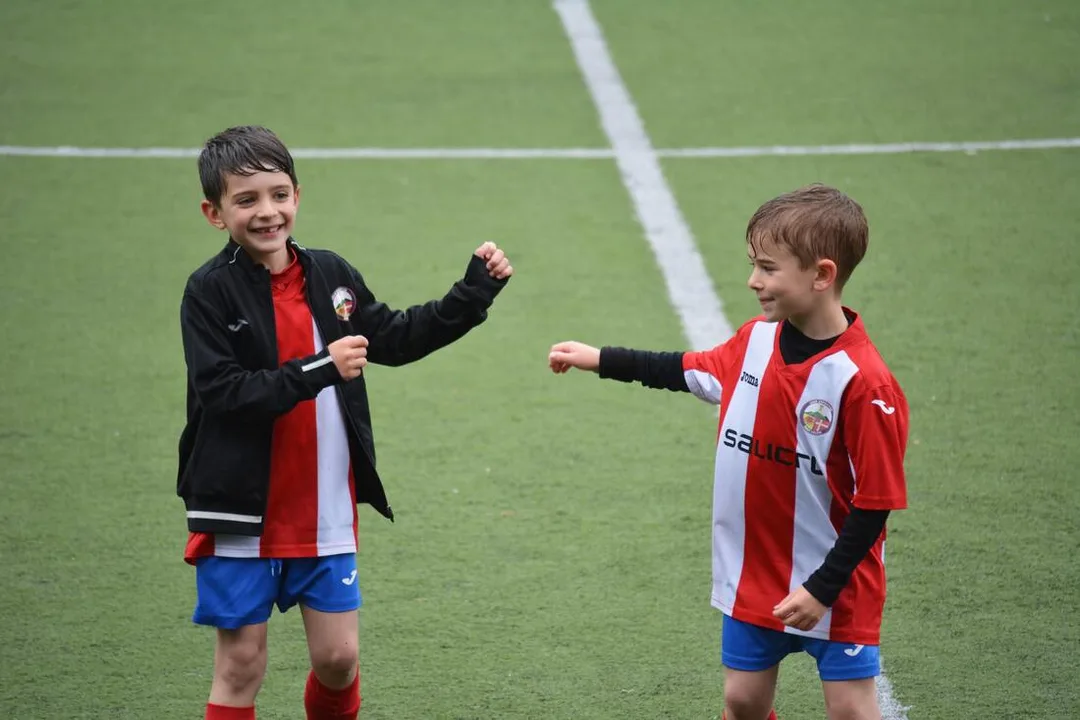
Wayne Goldsmith is a well known coach and in this Radio NZ podcast he talks about how to encourage kids to continue playing sports and to keep them from dropping out of playing sports after age 13. Wayne talks about the joy of sport for kids and the need for the adults around kids sports to ensure that they have fun. He identifies the need for kids sports to give them great stories to share on Monday mornings at school and possibly even later in life.
He encourages coaches to inspire, engage and empower kids. He talks about how coaches can counter the lure of games like Fortnight and digital devices in general. A fantastic way to spend 20 minutes listening to a great interview.
https://www.rnz.co.nz/national/programmes/afternoons/audio/2018699101/wayne-goldsmith-on-how-we-keep-nz-kids-playing-sport
He encourages coaches to inspire, engage and empower kids. He talks about how coaches can counter the lure of games like Fortnight and digital devices in general. A fantastic way to spend 20 minutes listening to a great interview.
https://www.rnz.co.nz/national/programmes/afternoons/audio/2018699101/wayne-goldsmith-on-how-we-keep-nz-kids-playing-sport
- Published on
The evidence is slim that time spent by teens on a device is linked to lower wellbeing. My advice to parents is to ensure that your children have a mix of activities which may include time spent on devices. A combination of attending school, engaging in sporting, cultural or other interests along with family responsibilities such as joining in family meals and completing chores, face to face socialising with peers should mean that your child has only a limited amount of time to engage with digital devices and it seems that the science so far is confirming that this is a healthy approach.
If you are interested check out the link below for more details on research that supports my view.
https://digest.bps.org.uk/2019/05/31/link-between-teens-time-on-digital-devices-and-lower-wellbeing-is-too-small-to-merit-substantial-scientific-discussion/
If you are interested check out the link below for more details on research that supports my view.
https://digest.bps.org.uk/2019/05/31/link-between-teens-time-on-digital-devices-and-lower-wellbeing-is-too-small-to-merit-substantial-scientific-discussion/
- Published on

One aspect of bullying in schools is the impact of bystanders. Given how busy and well populated most schools are it is often the case that bullying incidents take place in front of witnesses or bystanders.
What is really important for parents and educators to understand is that there is a well known phenomenon in social psychology called bystander effect. Essentially this is the typical human response or non response to an individual in trouble. If you are interested in the history of this check this link, https://psychology.iresearchnet.com/social-psychology/prosocial-behavior/bystander-effect/ which is a summary of the history of this phenomenon.
Typically, what the researchers found is that as soon as there is more than one person witnessing a problematic situation they are less likely to respond to it than if it was just one individual witnessing the event. While the research confirms that it is very difficult to overcome this response in the general public, there is some evidence that children can learn to manage this impulse better if they are given some support. There are three main strategies recommended.
So as parents how can you use this information to support your child. Take some time at your next family dinner or on a car ride to tell your children what you expect them to do if they see someone being bullied. It’s really important to talk about likely scenarios so that they know how to act without putting themselves at risk. Responses may range from quickly finding an adult, to telling a peer that it’s not OK to do what they are doing at the time of the event. When opportunities arise for us as parents to demonstrate what we would like our children to do ensure you take them and then explain to our children why and what the hoped for impact was.
If you haven’t had the opportunity to do this you can always set up a practice session. Ask your child to tell you about what they may consider a typical situation and then have them practice with you what they might do. Of key importance is that adults only demonstrate the undesirable behaviour. We don't want our kids practicing what not to do! Sounds awkward I know but there is plenty of research evidence that shows that practicing a behaviour leads to children doing the behaviour when the situation arises in real life.
The final point, environmental cues is perhaps more directly suited to schools but at home this can also apply at home. Support school initiatives such as pink shirt day, show your children this article and talk about your expectations in terms of their behaviour. New Zealand has a problem with bullying behaviour but there are plenty of small and simple things we can do to change this.
What is really important for parents and educators to understand is that there is a well known phenomenon in social psychology called bystander effect. Essentially this is the typical human response or non response to an individual in trouble. If you are interested in the history of this check this link, https://psychology.iresearchnet.com/social-psychology/prosocial-behavior/bystander-effect/ which is a summary of the history of this phenomenon.
Typically, what the researchers found is that as soon as there is more than one person witnessing a problematic situation they are less likely to respond to it than if it was just one individual witnessing the event. While the research confirms that it is very difficult to overcome this response in the general public, there is some evidence that children can learn to manage this impulse better if they are given some support. There are three main strategies recommended.
- Explicit teaching - meaning that it is important to explain to children what you expect them to do if they witness a bullying situation.
- Modeling - adults should look for opportunities to demonstrate to their children how they would like them to respond if they see someone in trouble
- Environmental cues - having rules or expectations of behaviour visible helps to remind children of what they should do.
So as parents how can you use this information to support your child. Take some time at your next family dinner or on a car ride to tell your children what you expect them to do if they see someone being bullied. It’s really important to talk about likely scenarios so that they know how to act without putting themselves at risk. Responses may range from quickly finding an adult, to telling a peer that it’s not OK to do what they are doing at the time of the event. When opportunities arise for us as parents to demonstrate what we would like our children to do ensure you take them and then explain to our children why and what the hoped for impact was.
If you haven’t had the opportunity to do this you can always set up a practice session. Ask your child to tell you about what they may consider a typical situation and then have them practice with you what they might do. Of key importance is that adults only demonstrate the undesirable behaviour. We don't want our kids practicing what not to do! Sounds awkward I know but there is plenty of research evidence that shows that practicing a behaviour leads to children doing the behaviour when the situation arises in real life.
The final point, environmental cues is perhaps more directly suited to schools but at home this can also apply at home. Support school initiatives such as pink shirt day, show your children this article and talk about your expectations in terms of their behaviour. New Zealand has a problem with bullying behaviour but there are plenty of small and simple things we can do to change this.
- Published on

Bullying is a topic that has recently been in the news headlines. The Education Review Office published a study in May this year based on evidence gathered from 136 primary, secondary and composite schools in terms 1 and 2 in 2018. The results were sobering with high rates of bullying being reported.
It is key to have a clear and shared understanding of what we are calling bullying. The bullying free NZ website, defines bullying as having four clearly identifiable factors:
https://www.bullyingfree.nz/assets/Uploads/Tackling-Bullying-A-guide-for-parents-and-whanau.pdf
If your child comes home from school and talks about either a bullying incident they have seen or themselves experienced the first action should always be to provide empathy and understanding. Once you have assured your child that their emotions and feelings are important and valid it’s helpful to clarify what the incident involved. Did the incident your child is talking about meet the definitions provided above? You could talk through each criterion and consider an alternative explanation if there is one.
Young people are learning the skills of managing increasingly complex social interactions and it is easy for them to become unsure or confused about how to proceed. Being clear about the behaviours your child is experiencing at school is the best way to begin to create solutions for managing them.
It is key to have a clear and shared understanding of what we are calling bullying. The bullying free NZ website, defines bullying as having four clearly identifiable factors:
- Bullying is deliberate - harming another person intentionally
- Bullying involves a misuse of power in a relationship
- Bullying is usually not a one-off - it is repeated, or has the potential to be repeated over time
- Bullying involves behaviour that can cause harm - it is not a normal part of growing up.
https://www.bullyingfree.nz/assets/Uploads/Tackling-Bullying-A-guide-for-parents-and-whanau.pdf
If your child comes home from school and talks about either a bullying incident they have seen or themselves experienced the first action should always be to provide empathy and understanding. Once you have assured your child that their emotions and feelings are important and valid it’s helpful to clarify what the incident involved. Did the incident your child is talking about meet the definitions provided above? You could talk through each criterion and consider an alternative explanation if there is one.
Young people are learning the skills of managing increasingly complex social interactions and it is easy for them to become unsure or confused about how to proceed. Being clear about the behaviours your child is experiencing at school is the best way to begin to create solutions for managing them.